What it is
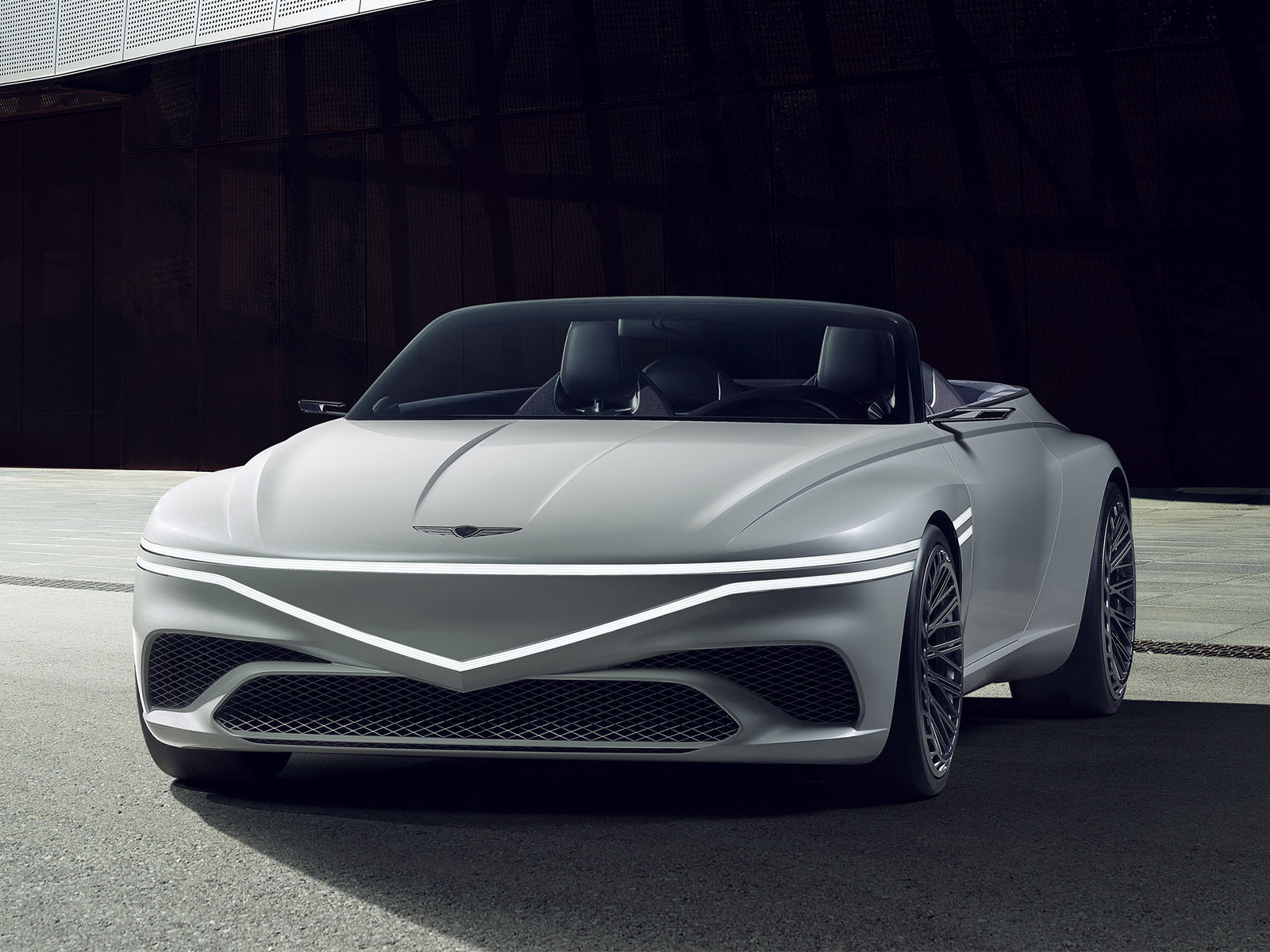
Under Display Headlight™, formally described as a headlamp assembly for a vehicle, places the high-intensity main headlight system behind a transparent display layer.
The result is a hidden-tech lighting surface: when the headlights are off, the front of the car reads as a seamless digital surface or a uniform daytime running light. When turned on, the main beams project through the display hardware without mechanical movement.
The problem
Modern automotive lighting still faces a tension between aesthetics and function.
- Main headlights require transparent covers, which often leave dark unused cavities when the lights are off.
- Some new attempts to hide headlights rely on mechanical shutters or eyelids, adding moving parts that can freeze, fail, or slow the transition.
- Separate real estate is still needed for DRLs and main projectors, which clutters the front fascia.
The core technology
The concept combines display engineering, optics, and glare management so that a high-intensity beam can pass through a digital surface without losing its usefulness.
1. Cathode-patterned transparent display
Standard OLED panels use an opaque cathode that covers the entire pixel backplane. Here, the cathode is selectively removed or patterned so that microscopic windows exist between sub-pixels or pixel groups. Those openings create a physical light path for the upstream headlight source.
2. Micro Lens Array beam steering
Passing light through a pixel mesh can cause diffraction and scatter. A micro lens array placed next to the display helps collimate the light and preserve beam intensity. With the right optical geometry, the same layer can steer light in different directions without using motors.
3. Glare-blocking polarization
An optional polarization layer or louver film can block stray vertical light rays, reducing the risk of glare for oncoming drivers and keeping the beam on the road.
Intelligent control logic
Because the headlamp surface is now also a display, the lighting system becomes software-defined. The concept includes a sensor-integrated controller that changes the display content and light behavior based on context.
| Scenario | System action | Patent reference |
|---|---|---|
| Parking mode | Display the driver's contact information or a custom welcome animation after the engine stops. | Claim 15 |
| Scenic routes | Use GPS and environmental context to trigger localized display animation. | Paragraph 0059 |
| Auto-leveling | Use gyro sensing and MLA zones to adjust the beam without mechanical leveling motors. | Paragraph 0066 |
| Safety communication | Show symbols or warnings to pedestrians based on speed and proximity inputs. | Paragraph 0055 |
Where it fits
- EV front fascias, where there is no traditional grille and the entire front end can become a communication surface
- Autonomous pods, which need external signaling because there is no driver's eye contact
- Law enforcement vehicles that need to remain visually neutral until emergency signaling is required
Patent claims summary
- The vehicle headlamp assembly that combines a display layer with an upstream light source
- The method of removing cathode material in the optical path to maximize transmittance
- The use of micro lens arrays and aspherical optics for beam collimation and direction control
- The integration of environmental sensors that alter both display content and beam behavior